The 2026 Formula 1 season promises a marathon of action—potentially 120 sessions across 24 Grands Prix. But after just two practice sessions in Melbourne, the opening act has already delivered a compelling preview of the drama to come. The Australian Grand Prix's Friday wasn't just about lap times; it was a raw display of the new technical realities, team struggles, and the sheer challenge of mastering these latest machines.
Reliability Is No Longer a Given
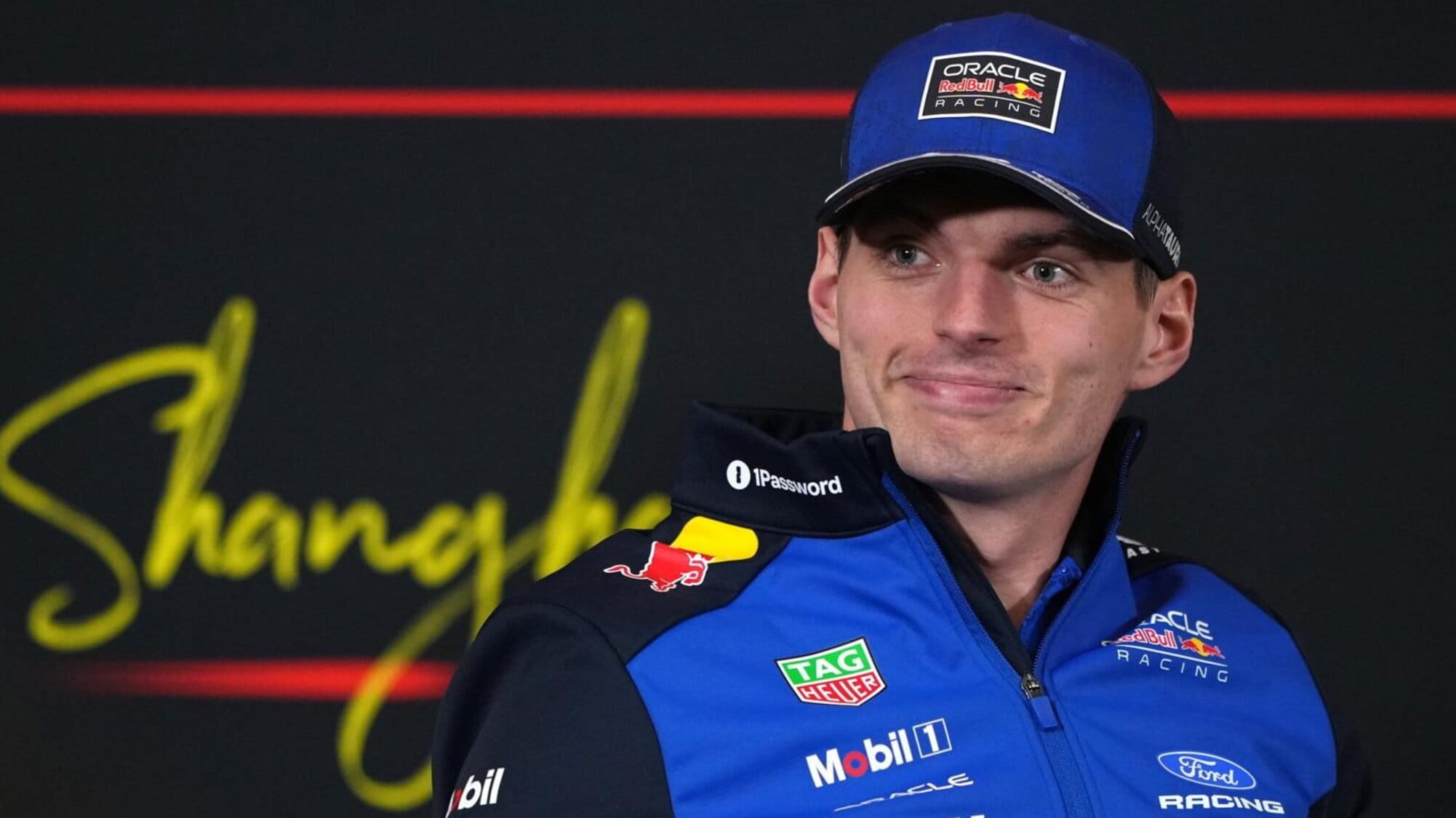
The old racing adage, "To finish first, first you have to finish," felt particularly resonant in Melbourne. Team principals like Toto Wolff emphasized that reliability is front of mind for everyone this season, and the track action proved it. Beyond the obvious crisis at Aston Martin, multiple teams faced issues. Lando Norris lost time in FP1 due to clutch checks, while Max Verstappen sacrificed half of FP2 for unspecified reasons. Others, like Alex Albon with hydraulics in FP1 and Sergio Perez with major problems in FP2 that left him stranded after just two laps, highlighted that finishing a session cleanly is an achievement in itself.
Aston Martin's Nightmare Continues
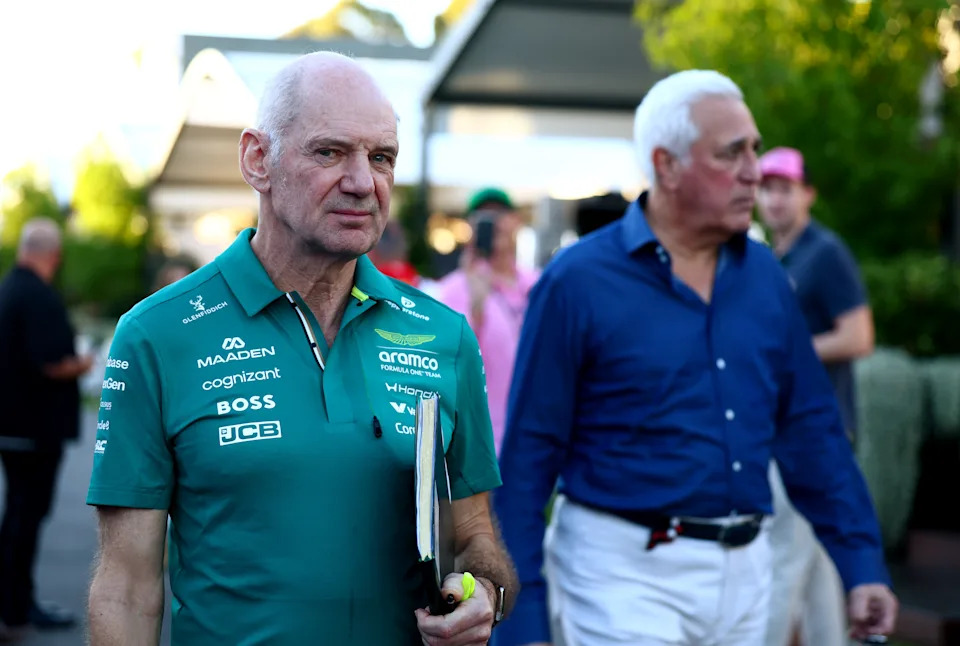
If the pre-season tests were a warning, Melbourne was a confirmation: Aston Martin's 2026 campaign is in deep trouble. The AMR26 managed a paltry 33 laps total on Friday—just three for Lance Stroll and none for Fernando Alonso in FP1, followed by 13 and 17 respectively in FP2. Plagued by power unit issues on both cars in the first session and repeated problems in the second, the team is also operating on a razor's edge. Technical director Adrian Newey revealed the squad has only two batteries total, one per car, leaving no spares if one fails. While internal fixes for vibration issues have been attempted since testing, the situation remains precarious.
These Cars Are a Handful to Drive
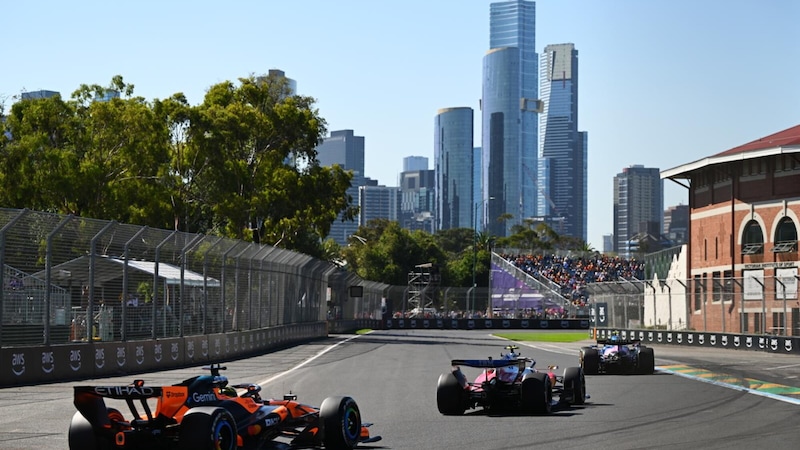
The winter tests hinted at it, and Melbourne confirmed: the 2026 F1 cars are not easy to tame. Across both sessions, even top drivers like George Russell, Verstappen, Lewis Hamilton, and Charles Leclerc were seen wrestling with their machines, making mistakes or running wide. The cars demand respect, and finding the limit without overstepping it is a delicate dance that even the best are still learning.
Super Clipping and Recharging: A New Safety Dance
One moment nearly turned scary: Hamilton, flat-out on the main straight, had to swerve to avoid Franco Colapinto, who was slow on the racing line while recharging his battery. This incident underscores a critical theme for 2026. Recharging is a high-stakes game, especially on a track like Melbourne with long straights that make energy management tricky. Equally concerning is "super clipping"—a pronounced reduction in top speed. Data from the long run between Turns 6 and 9 showed cars losing around 40 km/h at peak. This isn't just a performance issue; it's a safety one, as a car with a depleted battery becomes a potential hazard for those behind.
The 2026 Pace Deficit: About Three Seconds Slower
Comparing times to 2025's Australian Friday paints a clear picture of the new regulations' intent. The 2026 cars are roughly three seconds slower, aligning with projections. In FP1, last year's best time (Norris's 1:17.252) contrasts with Leclerc's 1:20.267 this year. FP2 saw a similar gap: 2025's 1:16.439 (Leclerc) versus Oscar Piastri's 1:19.729. The true benchmark will come in qualifying, but the trend is set: raw lap time has been traded for a new set of technical and strategic challenges.
What does this all mean for the season? Friday in Australia wasn't just a practice day; it was a cultural reset. F1's shift isn't merely about slower cars—it's about a sport where reliability, energy management, and driver adaptation are as dramatic as the racing itself. The 2026 grid is learning in public, and every session feels like a high-stakes experiment. For fans, this promises a year where the storylines are as much about survival and strategy as they are about pure speed.