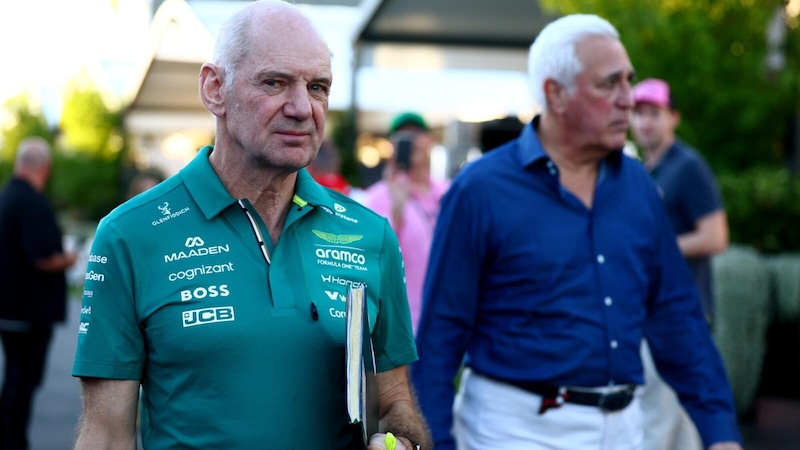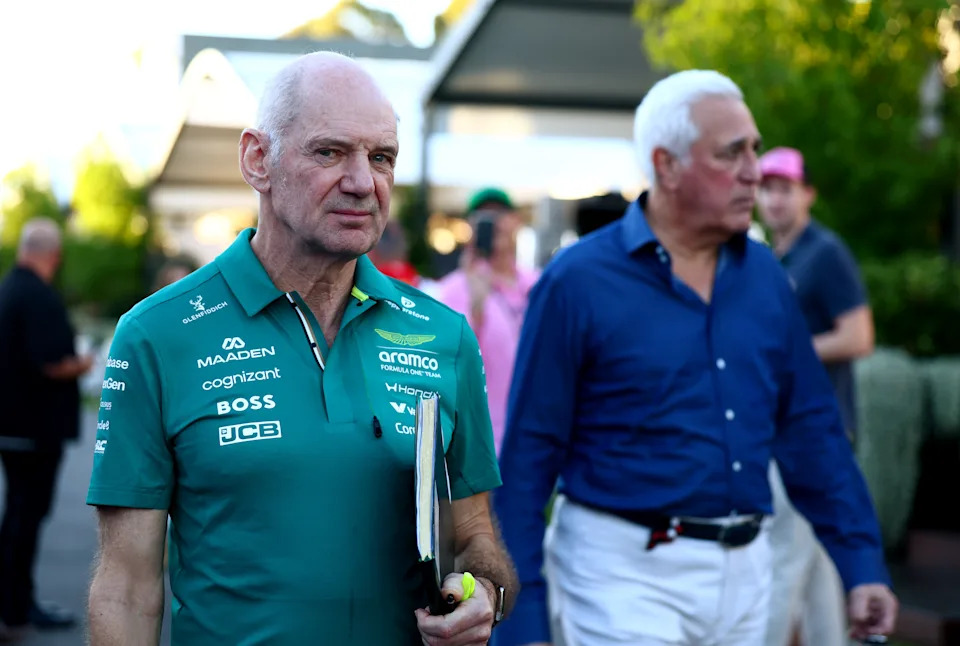
The world of Formula 1 is no stranger to high stakes, but a recent revelation from Aston Martin has introduced a chilling new dimension to the sport's inherent risks. The team has issued a stark warning to its drivers, Fernando Alonso and Lance Stroll, that exceeding specific lap limits during the Australian Grand Prix could lead to "permanent nerve damage" in their hands. This isn't about a faulty brake or a loose wing; it's about the fundamental interface between human and machine becoming a source of potential, lasting harm.
A Vibration That Feels Like an Electric Shock
The core of the crisis lies in the AMR26 car's power unit. According to team principal Adrian Newey, the vibrations transmitted through the chassis are so severe they're causing reliability issues—mirrors and tail lights are literally shaking off. But the more alarming problem is what those vibrations are doing to the drivers. Lance Stroll described the sensation with a visceral analogy: it's like "electrocuting yourself in a chair."
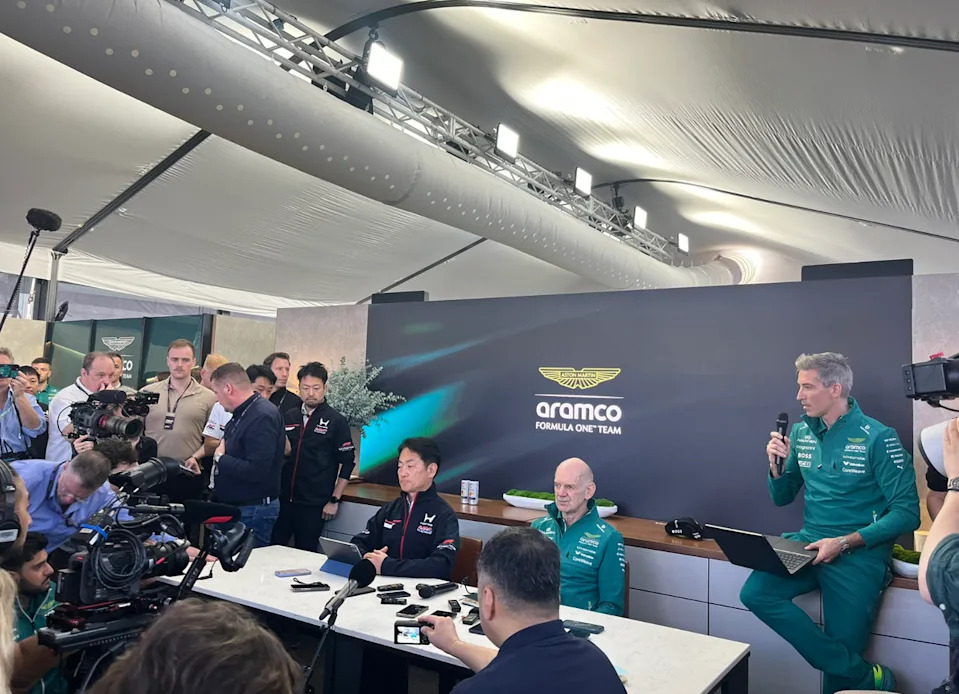
Newey laid out the grim limits in a media session. Fernando Alonso, the seasoned two-time champion, believes he cannot safely drive more than 25 consecutive laps. His younger teammate, Lance Stroll, has set his personal threshold even lower at just 15 laps. Exceeding these limits, the team fears, crosses a line from temporary discomfort to the risk of permanent neurological injury.
Drivers on the Edge: Adrenaline Versus Pain
The drivers' reactions paint a picture of professionals caught between their competitive spirit and a genuine physical threat. Alonso, ever the racer, attempted to downplay the immediate danger. He acknowledged the unusual numbness felt in the hands and feet after 20-25 minutes but suggested the adrenaline of competition could "overcome any pain."
"If we were fighting for wins, we can do three hours in the car," Alonso stated, highlighting the psychological battle. However, he crucially added a note of caution about the unknown long-term effects: "We don’t know the consequences either, if you keep driving like that for four months." Stroll's assessment was more blunt, calling the vibration "very uncomfortable" and bad for both the engine and "the human inside the car."
The Source of the Shake: A High-Stakes Engine Gamble
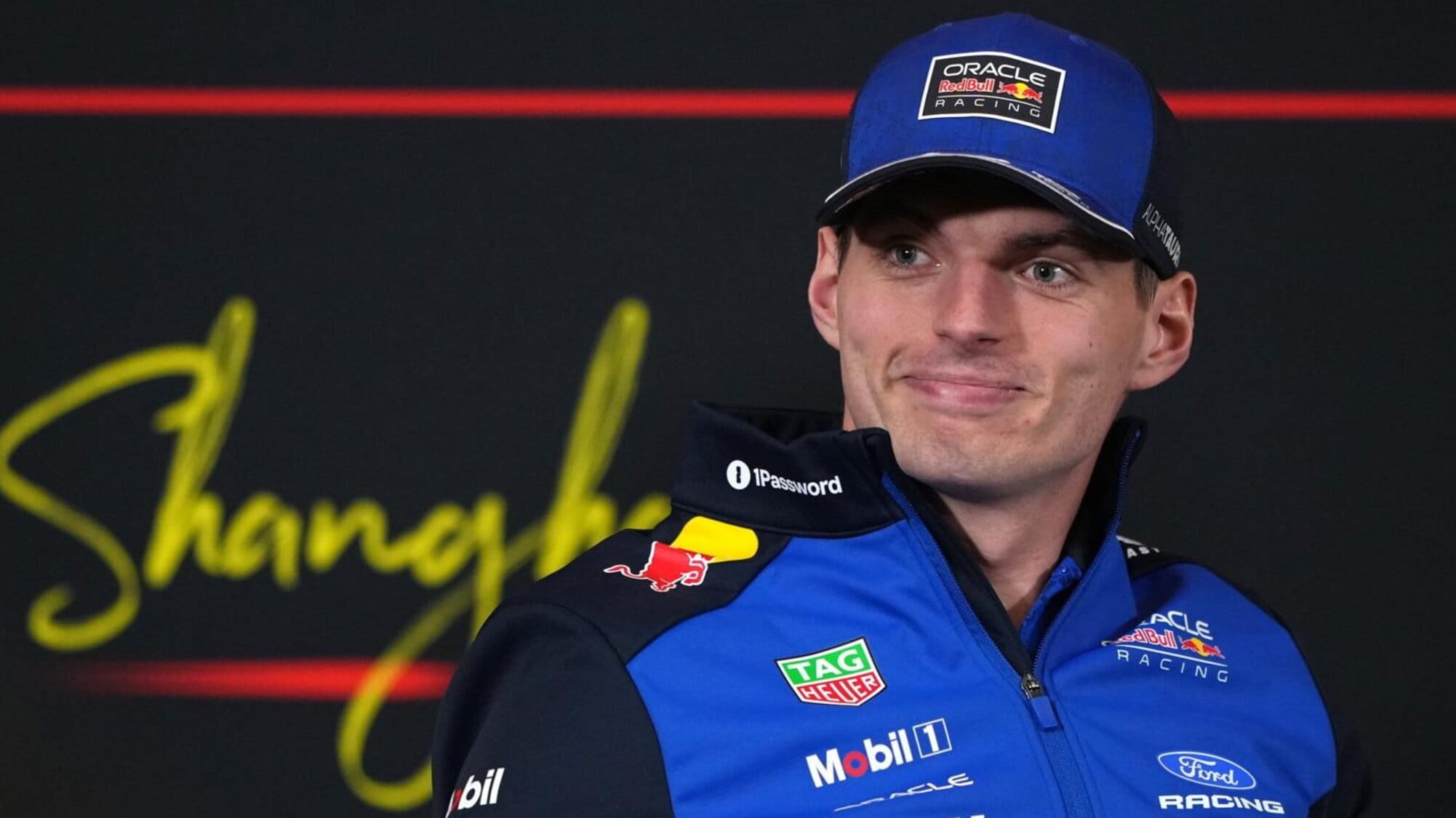
This crisis stems from a major strategic shift for Aston Martin. This season, the team ended its partnership with Mercedes—currently believed to have the strongest power unit—and switched to Honda engines. Honda has a championship-winning pedigree, having powered Max Verstappen's dominant Red Bull cars, but the integration with the Aston Martin chassis has proven disastrous in these early stages.
The pre-season testing period was described as "torrid," with the team barely able to complete laps. The issue is so severe that Newey admitted the team might be "heavily restricted" in how many laps they can complete in the actual race, casting doubt on their ability to even finish the Australian Grand Prix.
Is There a Silver Lining? Newey's Cautious Optimism
Despite the dire situation, Adrian Newey, the legendary designer who joined Aston Martin from Red Bull last year, is trying to find a path forward. He insists the problem is isolated to the power unit and its integration, not the fundamental design of the car. He believes the chassis itself is the "fifth-best on the grid," capable of qualifying for Q3.
His optimism is rooted in a belief in the car's "huge tremendous development potential." Newey outlined an "aggressive development plan" and expressed confidence that the team could be "upfront at some point in the season." However, this hope is tempered by the reality that the team started its aerodynamic development months behind rivals due to the late philosophical shift initiated by Newey's own arrival.
A Cultural Moment: When Performance Art Meets Physical Risk
This story transcends a simple technical failure. It speaks to the extreme physicality of modern F1 and the often-invisible line drivers walk in pursuit of speed. We celebrate their reflexes and endurance, but rarely consider the specific, cumulative damage a poorly calibrated machine can inflict. The phrase "permanent nerve damage" shifts the narrative from sport to occupational hazard, prompting uncomfortable questions about safety protocols in an era of relentless innovation.
For the Aston Martin team and its ambitious owner Lawrence Stroll, this is a massive setback. It's a story of a high-profile hire (Newey), massive investment, and a bold engine switch colliding with a fundamental engineering flaw. Their 2026 championship aspirations now seem distant as they face a more immediate battle: building a car their drivers can actually race without fearing for their long-term health. The Australian Grand Prix won't just be a test of speed for Aston Martin; it will be a tense exercise in damage limitation, both for the championship and for their drivers' well-being.