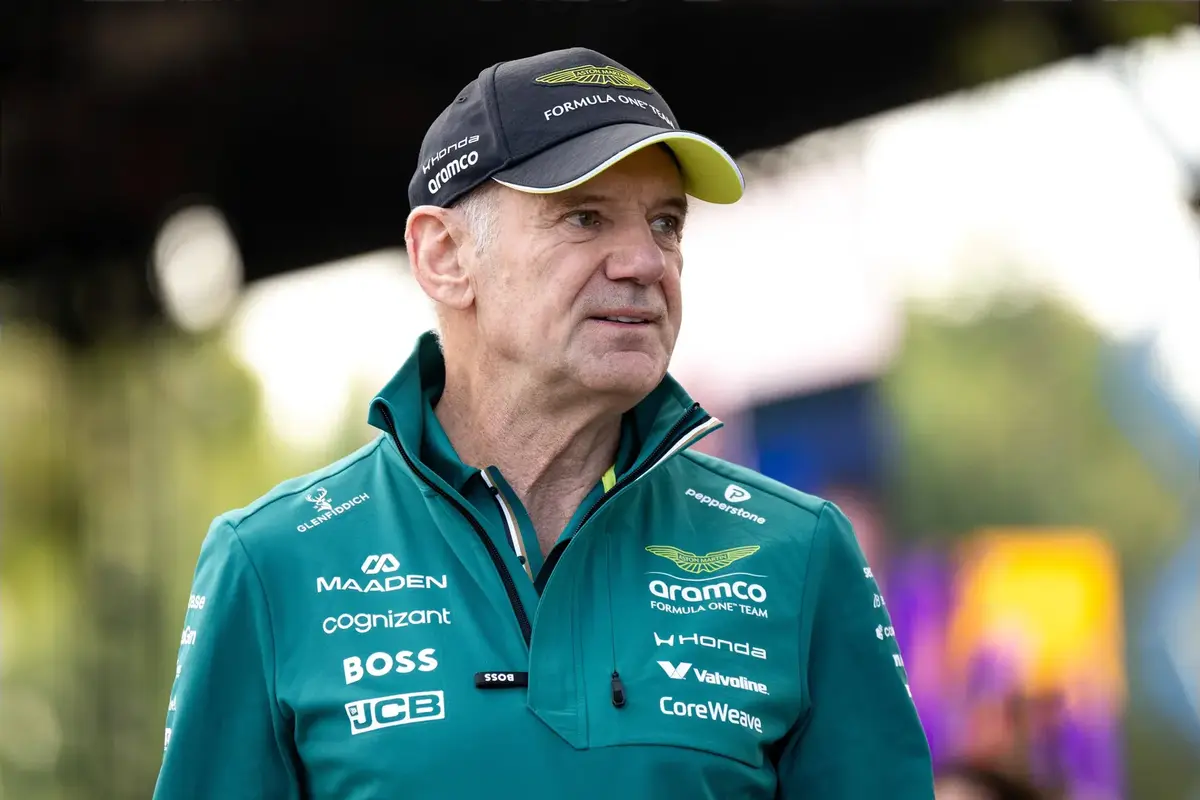
If you've been following the Formula 1 season opener in Melbourne, you might have noticed Aston Martin looking a bit… well, shaky. And not just in terms of lap times. Team principal Adrian Newey has been candid about the challenges facing the Silverstone-based squad, but he's also offering something more valuable than excuses: a clear-eyed roadmap for redemption.
The team's pre-season was far from smooth sailing. Significant vibrations from the Honda power unit limited their on-track testing time so severely that it reportedly posed a genuine health risk to drivers Fernando Alonso and Lance Stroll. Honda is working on fixes, but Newey acknowledges the issues run deeper than just the engine. He estimates the current chassis could be up to a second slower than the leaders—a massive gap in the razor-thin margins of F1.
The Architectural Foundation
Newey explained the root of the problem with a technical clarity that's refreshing. "On the chassis side, it's well known that we faced a very condensed period of development," he told media. "We didn't get a model into the wind tunnel until mid-April, so quite a long way behind our competitors. That's just a fact of life."
Instead of chasing quick fixes, the team focused on what Newey calls the "architectural package"—the fundamental parts of the car that are difficult to change mid-season. "We've achieved that," he stated. "I look at our package, and I don't feel as if we've particularly missed anything." This focus on a solid foundation, even if it meant starting behind, speaks to a long-term strategy rather than panic.
A Glimmer of Hope in Melbourne
While the Australian Grand Prix weekend was undoubtedly tough for Aston Martin—Newey himself placed them as potentially the "fifth best team" on the grid—he offered a compelling vision for the future. The key word? Aggression.
"I believe the car has huge, tremendous development potential," Newey declared. "It will take a few races for us to fully realise that potential, because quite an aggressive development plan is underway." This isn't just hopeful chatter. He went so far as to suggest this push could lift Aston Martin to the front of the pecking order at some point during the season.
There's an emotional core to this narrative that goes beyond aerodynamics and lap times. It's the story of a team acknowledging its flaws publicly, taking responsibility for a delayed start, and betting big on its own capacity to innovate and catch up. For fans, it transforms Aston Martin from a backmarker to an underdog with a plan—a much more engaging position to watch unfold.
Imagine the payoff if this aggressive development pays off. The moment a car that started the season with health concerns and a one-second deficit finds its way into Q3, or even onto a podium. That's the kind of season-long character arc that makes sports compelling. It's not just about who's fastest now, but who has the resilience and ingenuity to change their story.
Newey's prediction is a bold one. Turning a fifth-best chassis into a front-runner within a single season is a monumental task. But his confidence, rooted in a specific plan rather than blind optimism, makes it a storyline worth watching. The 2026 F1 calendar is packed with opportunities, and Aston Martin seems determined to use every one of them to rewrite their early narrative.