A slower, murkier shutdown
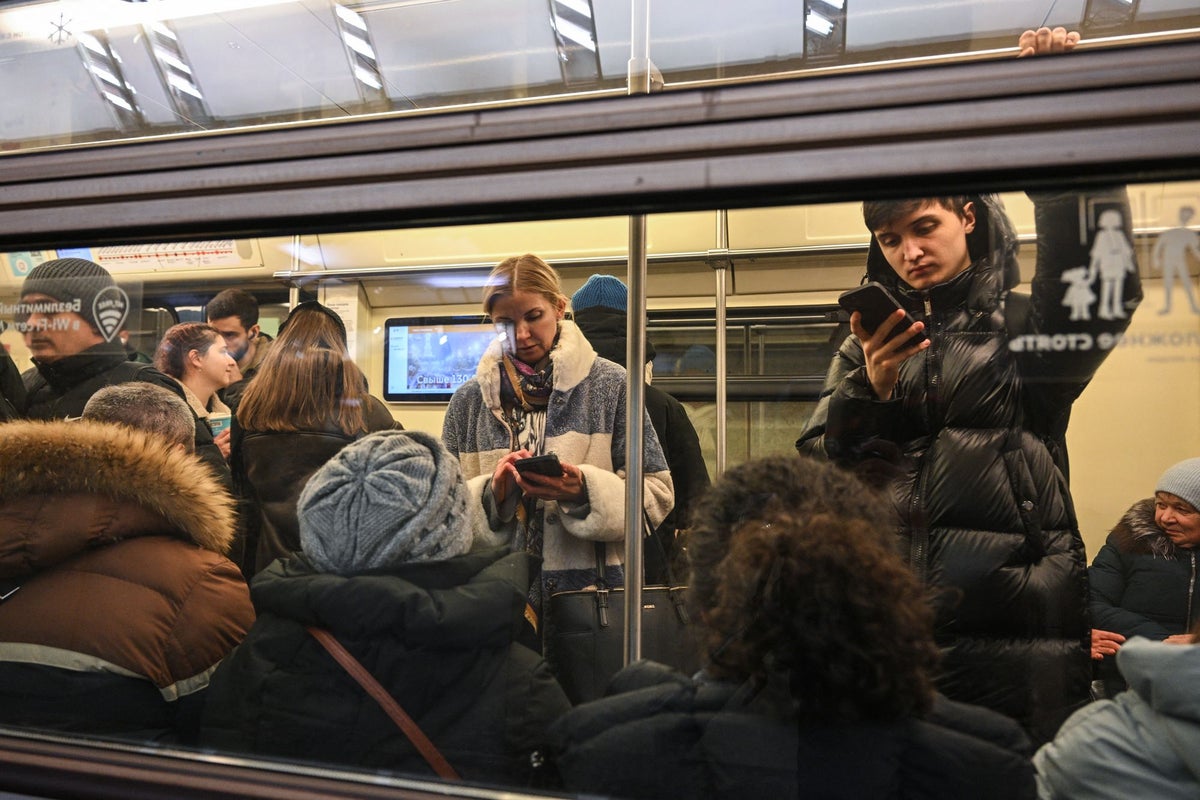
Russia is in the middle of a broad, slow-moving effort to separate its internet from the rest of the world, according to activists and experts monitoring the trend. The process is not a dramatic nationwide cut, the way Iran’s shutdowns have played out at times. Instead, it looks more like a patchwork of disruptions, with mobile internet blackouts spreading across cities and provinces, tighter restrictions on certain kinds of traffic and new blocks on Telegram, the messaging app that remains central to how many Russians communicate and manage daily life.
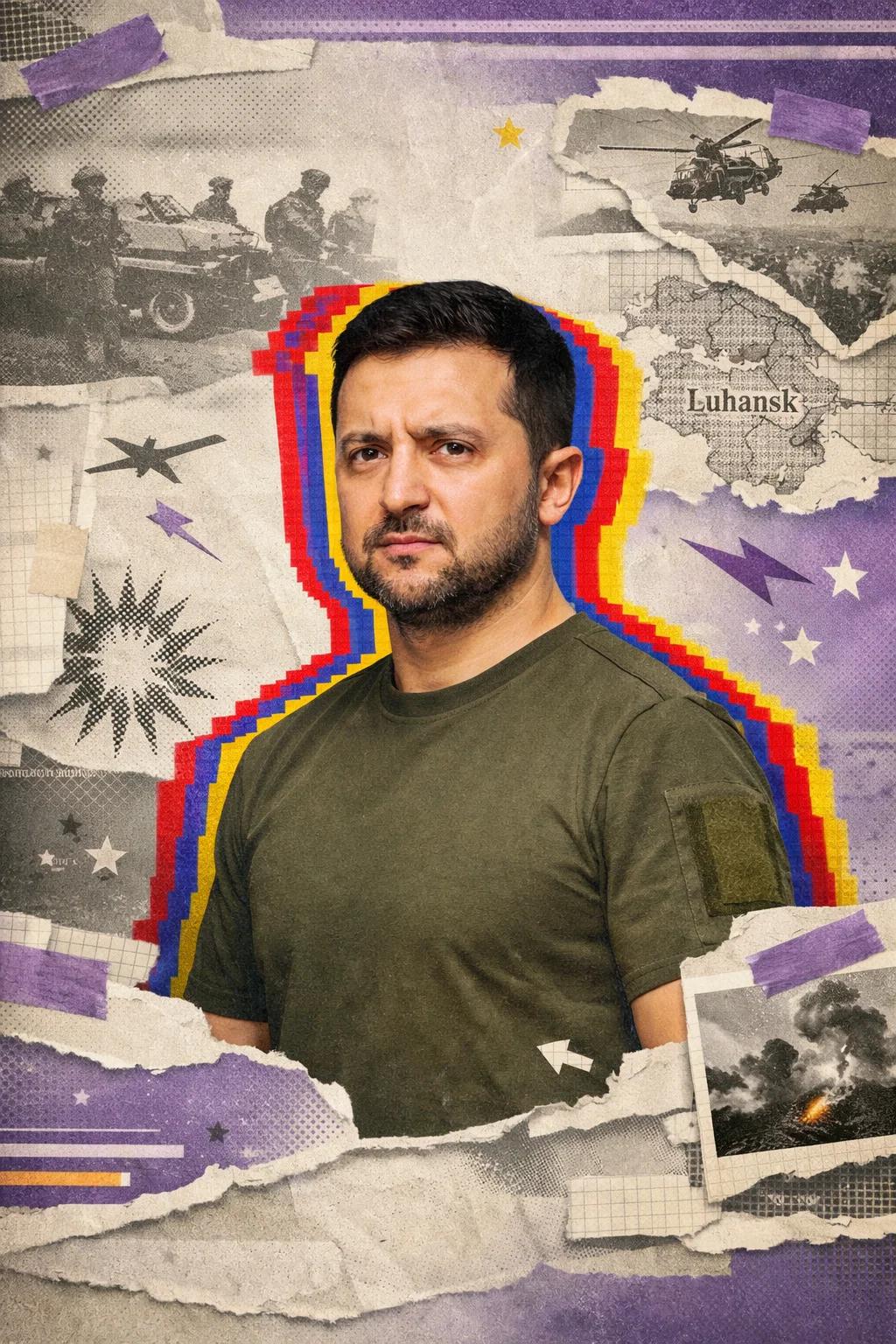
Volodymyr Zelenskyy summed up the mood with characteristic restraint. “This is a step backward – a step 100 years back. They might as well switch to paper mail, telegraphs and horses soon,” the Ukrainian president wrote on X about the blocks.
Arturo Filastò, a researcher at the Open Observatory of Network Interference, an internet censorship watchdog, said Russia’s version of a shutdown is “quite a bit more opaque and less visible” than Iran’s. The reason, he said, is structural. Russia’s internet is more decentralised, which makes sweeping censorship harder to impose in one clean move. “They have many more internet service providers that operate and manage their network a bit more independently,” Filastò said.
Telegram, and more of the country, under pressure
The restrictions rely on government-mandated equipment installed across different networks, though not always with the same level of effectiveness. Data from OONI shows that since 20 March, Telegram has been increasingly blocked, with probes run on more than 500 networks showing widespread interference with the service.
For ordinary users, the experience is less a grand geopolitical experiment than a daily annoyance with serious consequences, which is to say exactly the kind of innovation nobody asked for. A Russian internet user interviewed in a video broadcast by Belarusian television said: “I’m switching to pigeon post. I pay for the internet and I feel I am being robbed every month. They just take my fucking money and I don’t use the benefits of civilisation!”
Analysts at Amnezia VPN, which builds censorship circumvention tools, said the Telegram restrictions appear broader and more technically advanced than Russia’s earlier attempts to limit the app. They reported access problems in more than a dozen regions, including Moscow and St Petersburg.
In their view, the censors have shifted into a less cautious mode. They said authorities are now “blocking more crudely and on a much larger scale, no longer worried that something might break or spiral out of control”.
A domestic replacement on the horizon
The pressure on Telegram is likely to intensify. Russian authorities have elsewhere suggested they may fully block Telegram from early April. In March, the head of Russia’s Rostelecom said WhatsApp was “dead” and that Telegram would soon follow. The intended replacement, at least in theory, is Max, a new domestic messaging service under government control.
This fits into a larger pattern that has been building for at least a year. Russian authorities have repeatedly shut down mobile networks across large parts of the country and, when they do, users are often left with access only to a whitelist of approved sites.
Earlier this month, mobile internet in the centre of Moscow was completely shut down, causing widespread disruption. People could not access banking services or even make phone calls, a reminder that a modern economy becomes surprisingly old-fashioned when connectivity disappears.
Retailers in Russia have reported higher sales of pagers, paper maps and mobile phones as people try to adapt to the blockages. The return of pagers is not exactly what tech planners typically put in a brochure.
Official excuses, then and now
For most of the past year, shutdowns and other forms of censorship have been wrapped in official explanations and a fair amount of deniability, according to Amnezia and Filastò. At first, authorities justified mobile internet outages, often in outlying regions, by saying they were needed to protect against Ukrainian drones.
Amnezia’s analysts said those early blackouts were effectively a test run. Authorities implemented them cautiously and tried to reduce the damage to businesses. Now, they said, updates are being deployed as soon as they are ready.
They added that Roskomnadzor, Russia’s telecommunications authority, appears to be testing how the economy will function under strict restrictions at any time of year.
“According to our forecasts, shutdowns in Moscow will become more or less routine,” the analysts said.
So far, home internet networks have not been shut down. But analysts say the government already has the tools to do it and may move in that direction soon. “We have observed similar shutdowns in Iran and can draw conclusions about how this might be implemented in Russia,” they said.