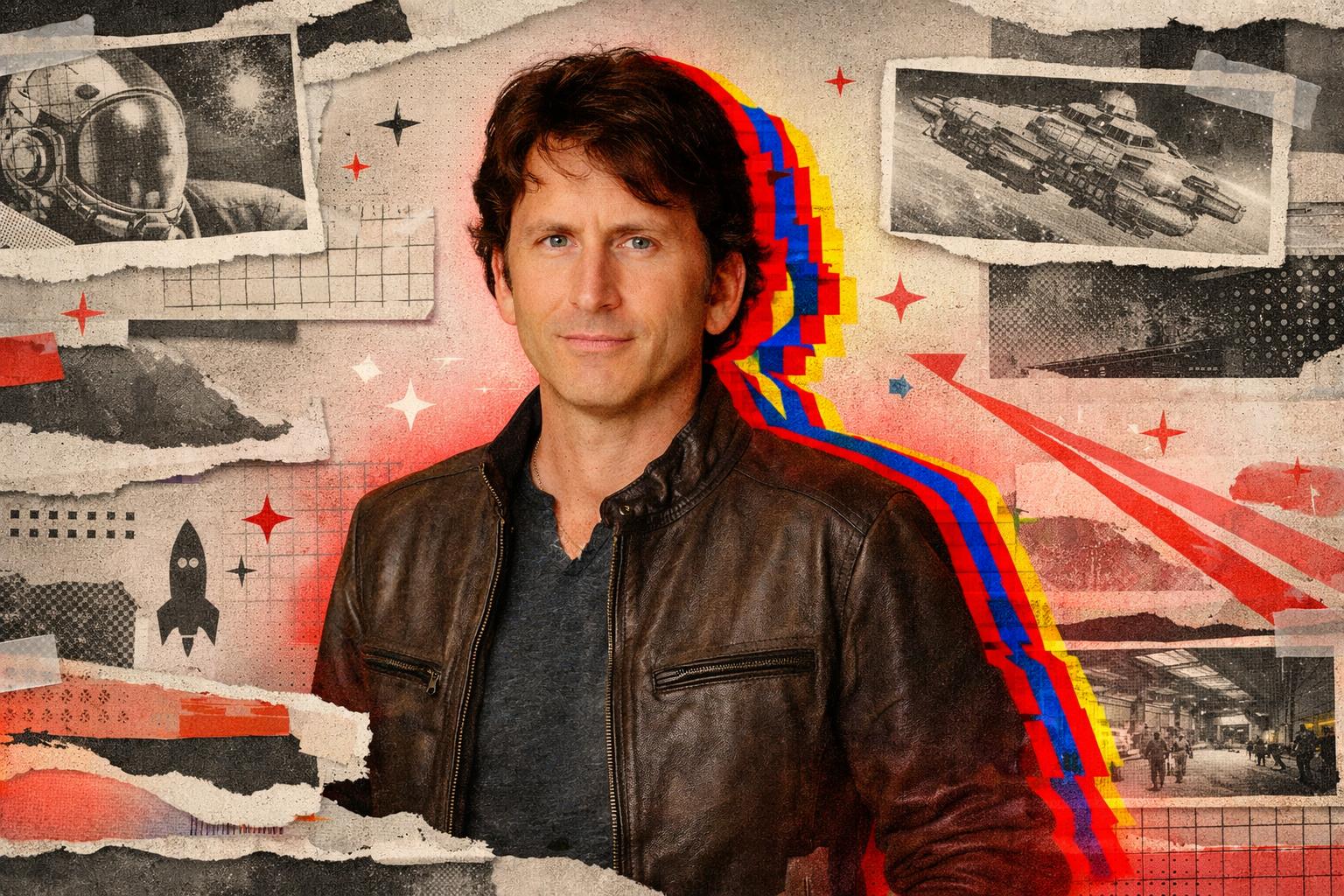
Todd Howard, the rare game director with a Wikipedia-sized reputation
Todd Howard is not just another executive drifting through the credits. After 32 years at Bethesda Game Studios, he has become one of the most recognizable names in games, even for people who do not spend their weekends arguing about RPG systems online. He helped steer some of the studio’s most celebrated releases, including The Elder Scrolls V: Skyrim, Fallout 3, and Fallout 4.
That kind of track record tends to inspire a lot of confidence. It can also, apparently, create a room full of people who are a little too eager to agree with whatever comes out of the boss’s mouth.
A longtime colleague says Howard needed more pushback
According to Dennis Mejillones, a longtime friend and former colleague of Howard, one of the problems around Bethesda was that people were often unwilling to challenge him directly. Mejillones summed it up plainly: “A lot of people were afraid to say no to Todd and that hurt him.”
It is a useful reminder that even highly respected creative leaders do not automatically benefit from everyone in the building nodding along. Sometimes the most useful thing in a development meeting is, regrettably, the word no.
A different complaint about the same man
The timing makes the comment more interesting. Skyrim co-lead designer Kurt Kuhlmann recently argued that Starfield’s main problem was the opposite: Howard was pulled away from the project too often during development. So one former colleague says he needed more resistance, while another suggests the studio needed more of his direct involvement.
That leaves Bethesda with a tidy little management puzzle. Too much Todd Howard is bad. Too little Todd Howard is also bad. Somewhere in the middle is apparently the version of events that everybody will be hoping for when The Elder Scrolls 6 eventually arrives, assuming it does so before the rest of us have retired to quieter hobbies.
What happens next
Howard has long framed Bethesda’s approach as a shared responsibility, saying the studio as a whole has to help ensure its games are as good as they can be. That sounds sensible enough. It also sounds like the sort of thing that works best when people are not afraid to tell the boss he may, occasionally, be wrong.